Why Are Some Ants Bigger Than Others?

Why Are Some Ants Bigger Than Others?
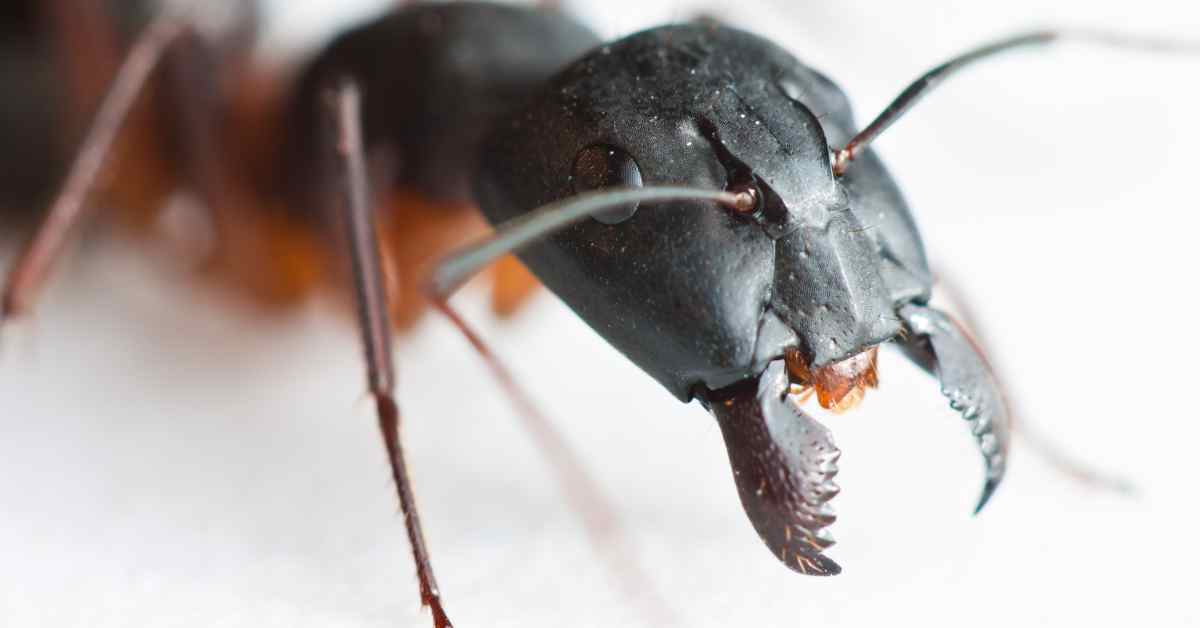
A few ants have bigger bodies, large mandibles, and oversized heads according to their behavior, eating patterns, and functions. However, they are not aggressive and bite for their defense. Why Are Some Ants Bigger Than Others? Carpenter ants are bigger than others, with a size of 6 to 12 millimeters, their male ants grow to … Read more
Are Azteca Ants Dangerous?

Are Azteca Ants Dangerous?

Many people find Azteca ants colonies in large trees which can be dangerous for humans. Their scientific name is Liometopum xanthochroum, and has 13 different types.  Are Azteca Ants Dangerous? Azteca ants are dangerous due to their aggressive behavior, are carnivores, affect immune-compromised people, have challenging colony control, and are territorially dominant. They live in … Read more

Why Are Ants Always Moving?

Why Are Ants Always Moving?

Ants are social insects, and these are present everywhere in your homes. Millions of their species keep moving all day in a highly organized manner and in the same row. Why Are Ants Always Moving? Ants are always moving to find food, explore nesting places, feed larvae, and for shifting of their colonies. In addition, … Read more

Do Ants Ruin Compost?

Do Ants Ruin Compost?

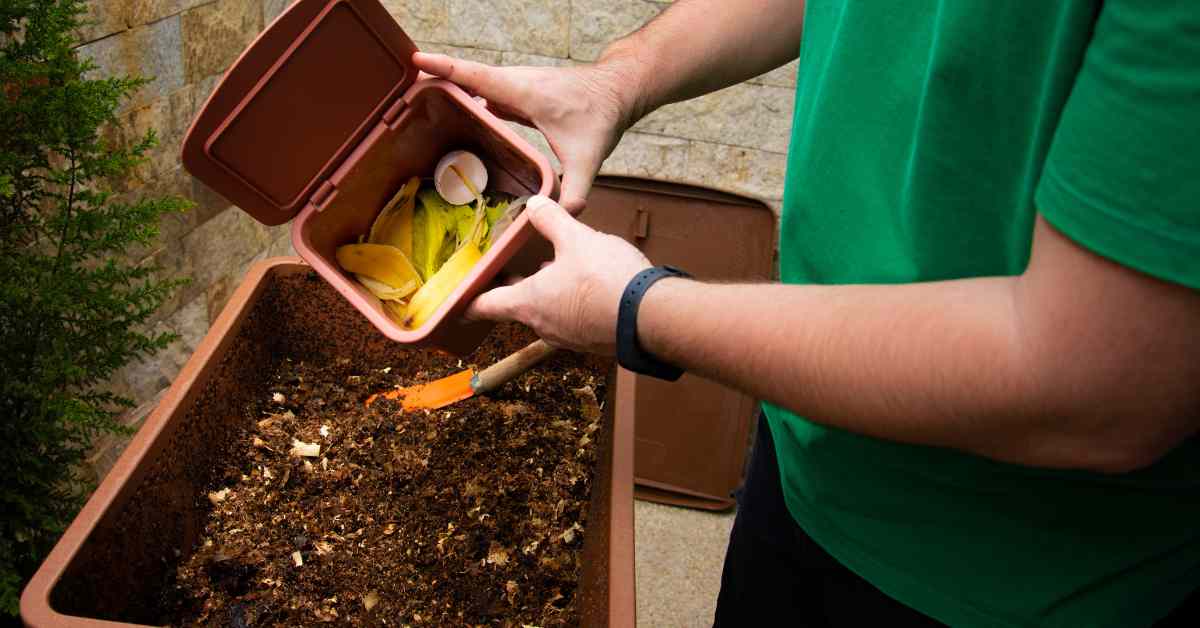
Ants are not invited guests in the compost; that’s why people get worried about seeing them inside and think of ways to remove them. Do Ants Ruin Compost? Ants can ruin compost by killing the beneficial worms, removing food from bins, and promoting the growth of plant-damaging aphids. You can get rid of ants from … Read more

Do Ants Eat Scale Insects?

Do Ants Eat Scale Insects?

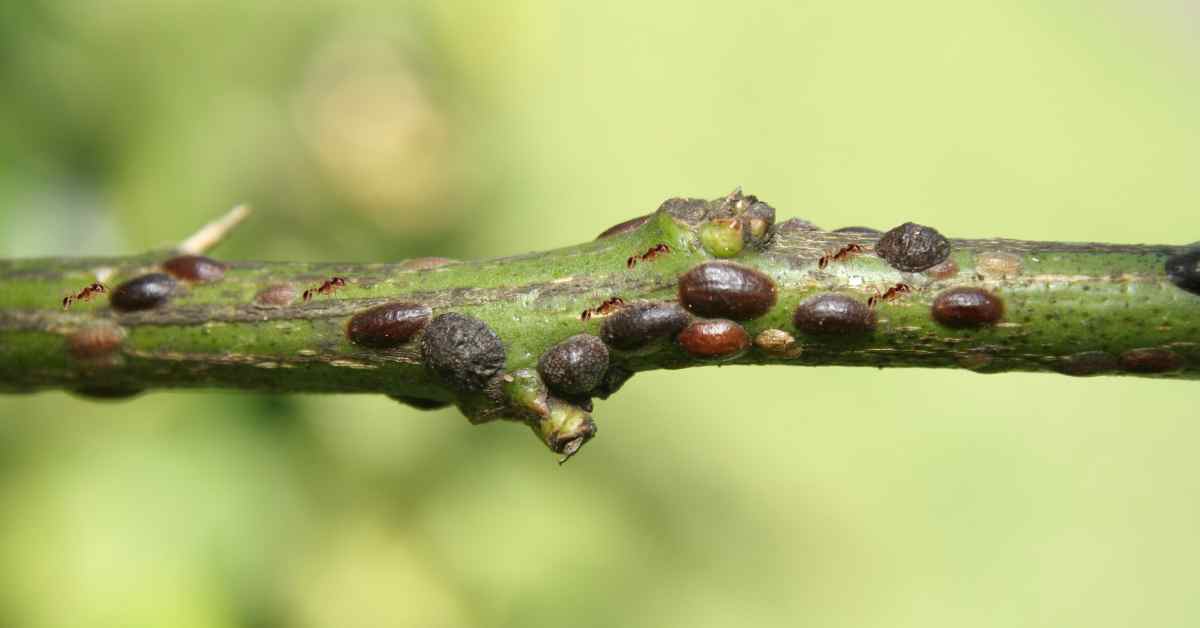
Ants get attracted to garden pests and facilitate plant-damaging insects to grow, particularly when they need food from these little creatures. Do Ants Eat Scale Insects? Ants do not eat scale insects and build a mutualistic relationship by consuming honeydew and protecting them. Ants can be a sign of scale insects on a plant that … Read more